
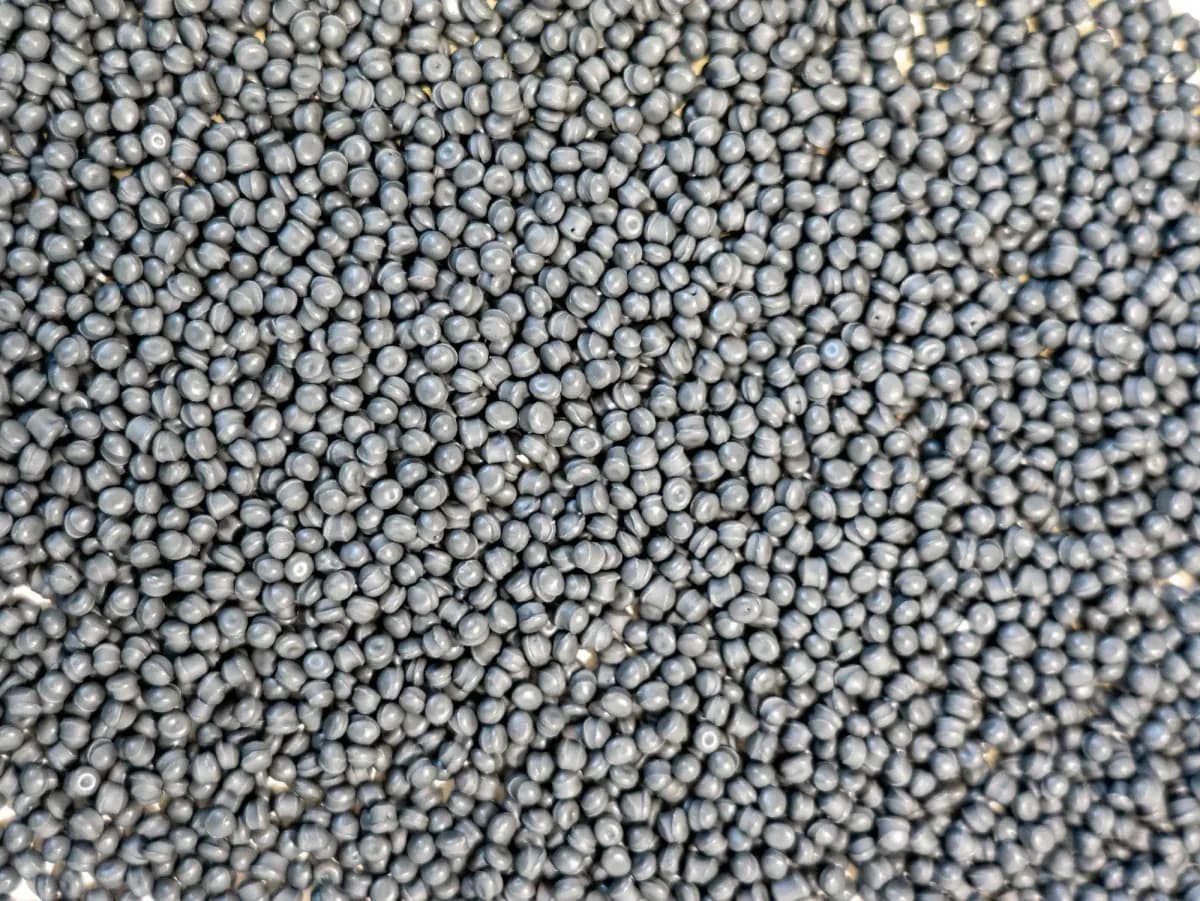
Polystyrene compounding.
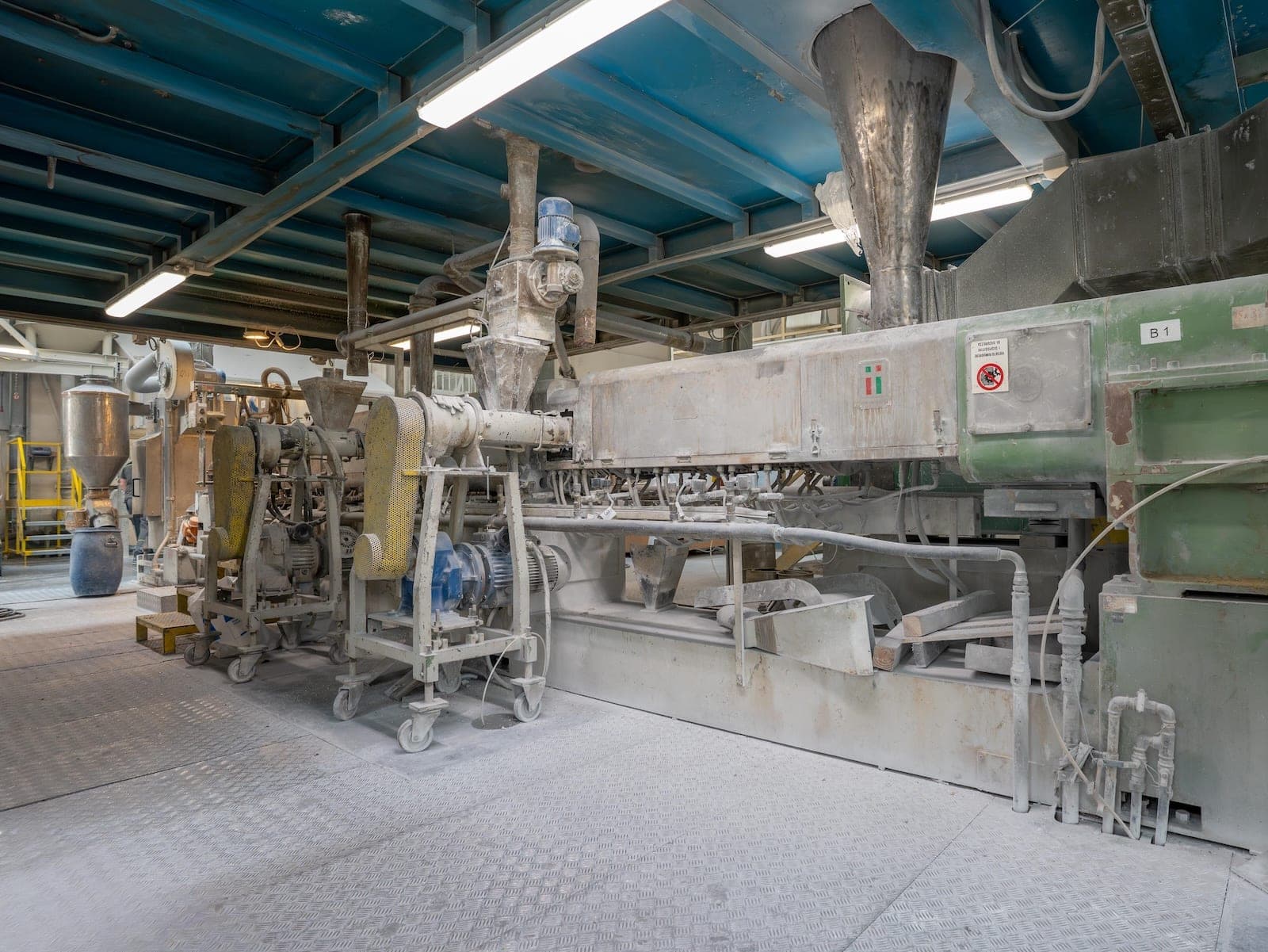
- GPPS / HIPS
- ΔE ≤ 1.0
- Surface gloss
Process overview
Neutral, coloured and additivated polystyrene.
We compound crystal polystyrene (GPPS), high-impact polystyrene (HIPS) and specific blends, focusing on colour stability, surface gloss and consistent mechanical properties. We process first-life material on dedicated lines, with technical additivation and precision gravimetric dosing.
Controlled thermal management along the screw preserves the molecular weight of the polymer and prevents degradation: a prerequisite for applications in which the appearance and mechanical performance of the finished part cannot vary lot-after-lot.
Technical specs
Key parameters at a glance.
Base polymers
GPPS / HIPS
Output form
Pellets
Colour stability
ΔE ≤ 1.0
Pilot MOQ
500kg
Additives
UV, slip, antistat.
Packaging
Sacks · big bag · octabin
How we do it
Six phases for consistent polystyrene.
Controlled thermal stability, hundredth-of-a-percent dosing and CoA on every batch.
Formulation validation
Colour and performance spec analysis: pilot sampling in the lab, ΔE and mechanical property tests.
Output: Locked recipeRaw material intake and tracking
Crystal PS or HIPS intake with supplier CoA documentation check and lot traceability.
Additivated gravimetric dosing
Precise weighing of polymer, colour masterbatch, antioxidants, slip, antistatics and UV stabilisers.
Output: Ready blendThermo-controlled extrusion
Calibrated thermal profile to avoid degradation: polystyrene retains molecular weight and gloss.
Pelletisation and cooling
Uniform pellets, controlled cooling to prevent residual stress and surface blooming.
Lab QC and release
MFI, density, colorimetric ΔE, impact tests. Release only after compliance check; CoA delivered to the customer.
Output: Batch CoA
Use cases
Where reliable polystyrene matters.
Sectors where appearance, colour consistency and performance must remain unchanged at industrial volumes.
6 sectors served
Consumer packaging
Trays, blisters and transparent containers with surface gloss and ΔE controlled lot-after-lot.
Electronics
Casings, housings and technical parts for small appliances and consumer devices with tight dimensional tolerances.
Houseware
Houseware, bathware and durable goods that require bright colours and consistent aesthetic finish.
Stationery & paper goods
Rigid and transparent components for folders, binders and office accessories with stability over time.
Toys
Rigid coloured parts with compounds certified for safe contact and controlled impact properties (HIPS).
Technical components
Profiles and structural parts in HIPS with on-spec impact additivation for light industrial applications.
Compatible materials
Available polymers and additives
- GPPS
- HIPS impact-modified
- Expanded PS (compound)
- Colour masterbatch
- UV stabilisers
- Primary antioxidants
- Slip agent
- Antistatics
- Internal lubricants
- Powder pigments
ISO 9001 — Quality Management System
ISO 9001 certification is the operational foundation of every production: from raw-material intake to batch release, every step is tracked and documented. It is the minimum standard that the major chemical and petrochemical groups demand of their industrial partners — and the standard Green Plast guarantees, batch after batch.
- Annual surveillance audit
- Lot-by-lot traceability
- CoA with every shipment
Scope of certification
- Compounding
- Formulation
- Quality control
- Logistics
- 35+
Years of certified operation
- 100%
Batches with CoA
- 4
Stages controlled end-to-end
- EU
Tracked shipments
Technical questions
Quick answers on polystyrene.
The most frequent questions from packaging and quality departments.
Can’t find your answer?
Speak directly with a Green Plast technician.

Choose top-quality plastics processing.
Producing high-performance plastic compounds is our specialty. We analyze requirements and formulations, work in partnership with our customers and — thanks to decades of experience — deliver tailored, optimized and reliable processing for highly specific, qualified products.